Courtrooms & Classrooms
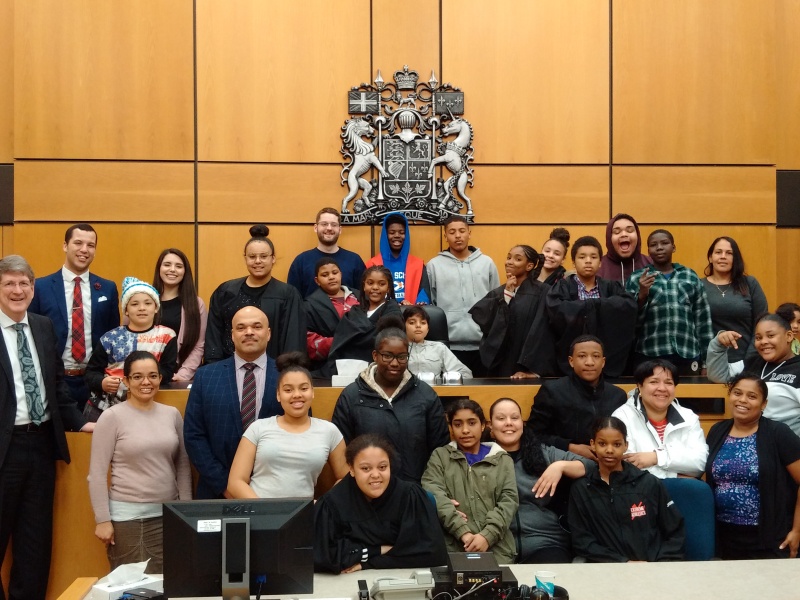
Through the Courtrooms and Classrooms program, students can visit a Nova Scotia courthouse, meet judges, and sit in on a real trial. Classes can participate in mock trials at their school or in a courthouse. This program also offers educational videos, quizzes and other resources for instructors and teachers.
About Judges
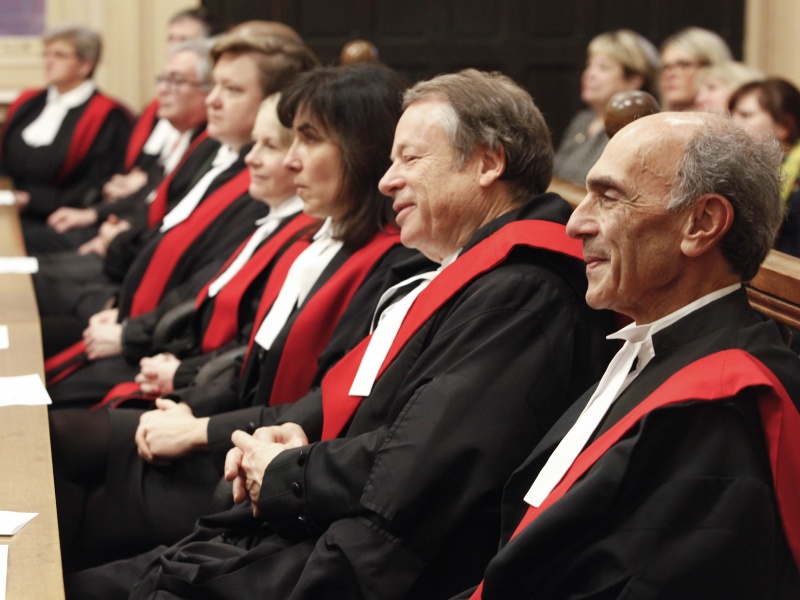
Collectively, the province's judges are known as the Nova Scotia Judiciary. Depending on the level of Court, they are appointed by either the federal or provincial government.
Members of the Judiciary are held to a high standard in Canada. Although fully independent, judges are accountable for their decisions through appeals, and for their conduct, both in and outside the courtroom.
Legal Terms Defined
It is important that members of the public understand the law and legal decisions that affect them. To do that, people must be able to recognize and comprehend the legal terms that lawyers and judges often use.
From the Bench
From the Bench is a collection of papers, articles and speeches, written and presented by members of the Nova Scotia Judiciary and their staff. These papers are intended to provide simplified, general information about issues related to the Canadian Courts and the justice system.

Restorative Justice
Restorative justice takes a relational approach in response to crime. When the law is broken, a restorative approach considers the impact on the people and their relationships at interpersonal, social, and institutional levels. It aims to understand and address the harms and needs of those affected by crime with a goal of supporting just relations in the future.
History of the Courts
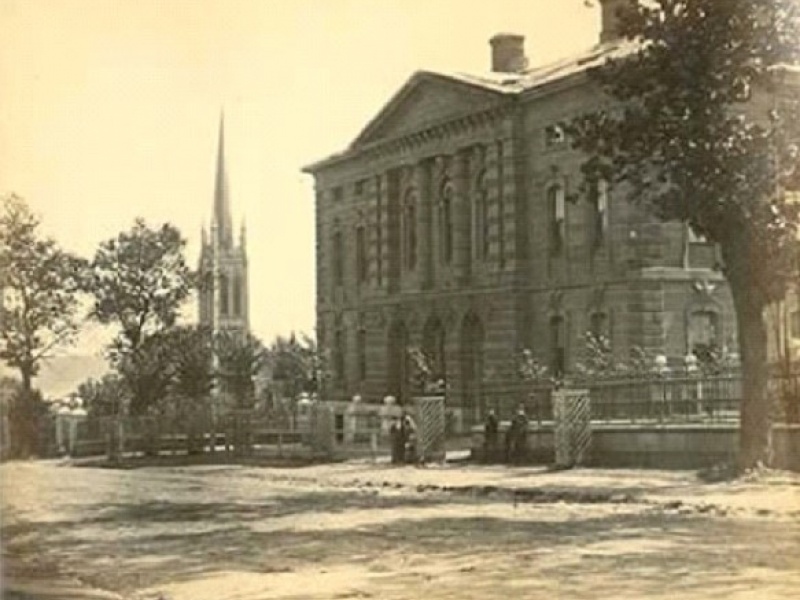
A detailed history of the Nova Scotia Courts, starting in 1757 when the first Supreme Court in all of Canada was established in Halifax. Learn more about three of Canada's key principles of democracy that were first established in Nova Scotia: a truly independent court, an elected government, and freedom of the press.